Choosing the right cast iron pan depends mainly on how you cook, how much food you usually prepare, and the cooking space you need. Cast iron frying pans are available in different sizes, making them suitable for individual portions, everyday meals, and larger servings.
Whether you need a compact skillet for a small meal or a larger frying pan for family cooking, comparing the available sizes can help you find cookware that fits your kitchen and cooking habits.
In this guide, you will learn about the different sizes of cast iron frying pans, their everyday uses, and the main factors to consider before choosing the right one.
Cast Iron Frying Pans for Everyday Cooking
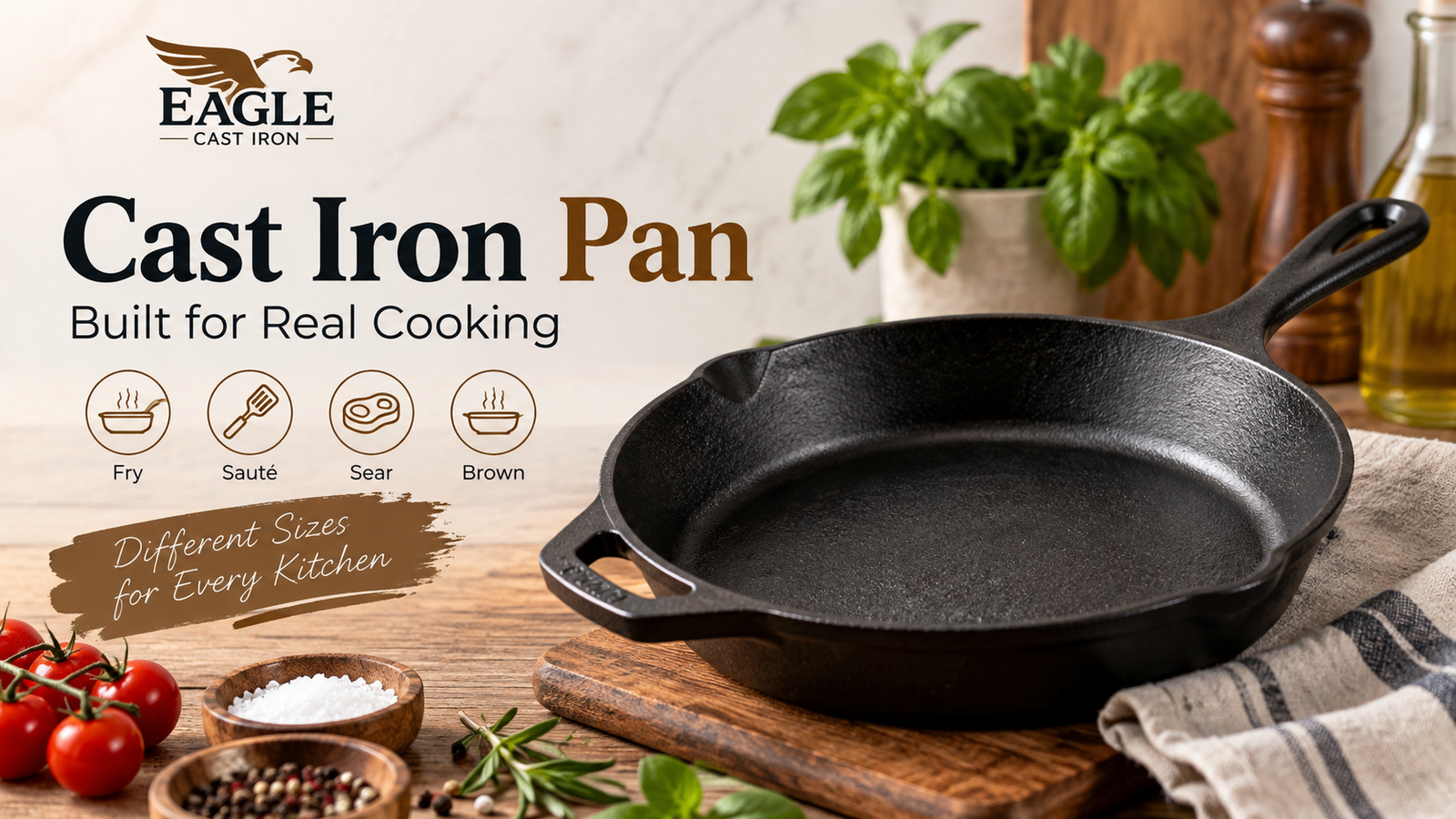
A cast iron frying pan can be used for several everyday cooking tasks, including frying, sautéing, searing, and browning. Its solid construction provides a stable cooking surface, while its ability to retain heat makes it suitable for recipes that require consistent heat.
A skillet is also a practical option when you want one piece of cookware that can be used for different meals without choosing a separate pan for every cooking method.
Cast Iron Skillet
A cast iron skillet is a versatile frying pan with a flat cooking surface and raised sides. It can be used for frying ingredients, sautéing vegetables, searing meat, browning food, and preparing everyday meals.
The main difference between available skillet models is often their size, so choosing the right diameter is important when deciding how much food you want to prepare.
Cast Iron Frying Pan for Everyday Meals
A frying pan can be suitable for both individual portions and larger meals, depending on its size.
Smaller models are convenient when preparing limited quantities, while larger skillets provide more cooking space for family meals and recipes that require several ingredients.

Cast Iron Pan Sizes
The size of a frying pan affects both its cooking capacity and how easy it is to handle. When comparing different models, consider the number of people you normally cook for, the portions you prepare, and the available space on your stovetop.
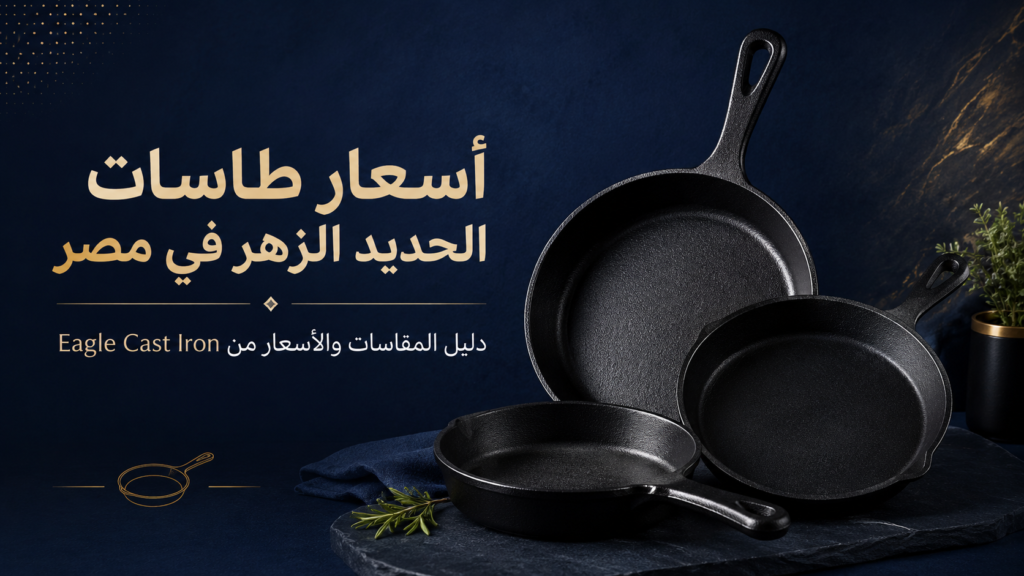
Eagle Cast Iron offers several skillet sizes, from compact models for individual servings to larger options for everyday family cooking.
The 10 cm cast iron skillet is a compact option for small portions and individual servings. Its smaller cooking surface makes it practical for limited quantities when you do not need a full-size frying pan.
A 12 cm skillet provides slightly more cooking space while maintaining a compact size. It can be useful for individual portions, small side dishes, or other meals that do not require a large cooking surface.
The 15 cm cast iron skillet offers additional cooking space while remaining relatively compact. It can be a practical choice for individual meals and smaller portions.
A 20 cm skillet provides more room for everyday cooking and moderate portions. It can be suitable when you need more cooking space than a compact pan while still preferring a manageable size.
The 25 cm cast iron skillet provides a larger cooking surface for everyday meals and bigger portions. It can be useful when you need enough room to prepare more ingredients at the same time.
The 30 cm skillet is the largest size in the current collection and provides additional cooking space for larger portions and family meals.
Its wider surface can be useful when you need more room to spread ingredients while frying, searing, or preparing a complete meal.
Which Size Should You Choose?
The right size depends on your usual portions rather than simply choosing the largest available model.
For individual meals and smaller portions, the 10, 12, or 15 cm options provide a compact cooking surface. The 20 or 25 cm models can offer a practical balance for regular cooking, while the 30 cm option provides more space for larger portions and family meals.
Also consider the size of your stovetop, available storage space, and how comfortable you are handling heavier cookware.
Cast Iron Pan Shapes
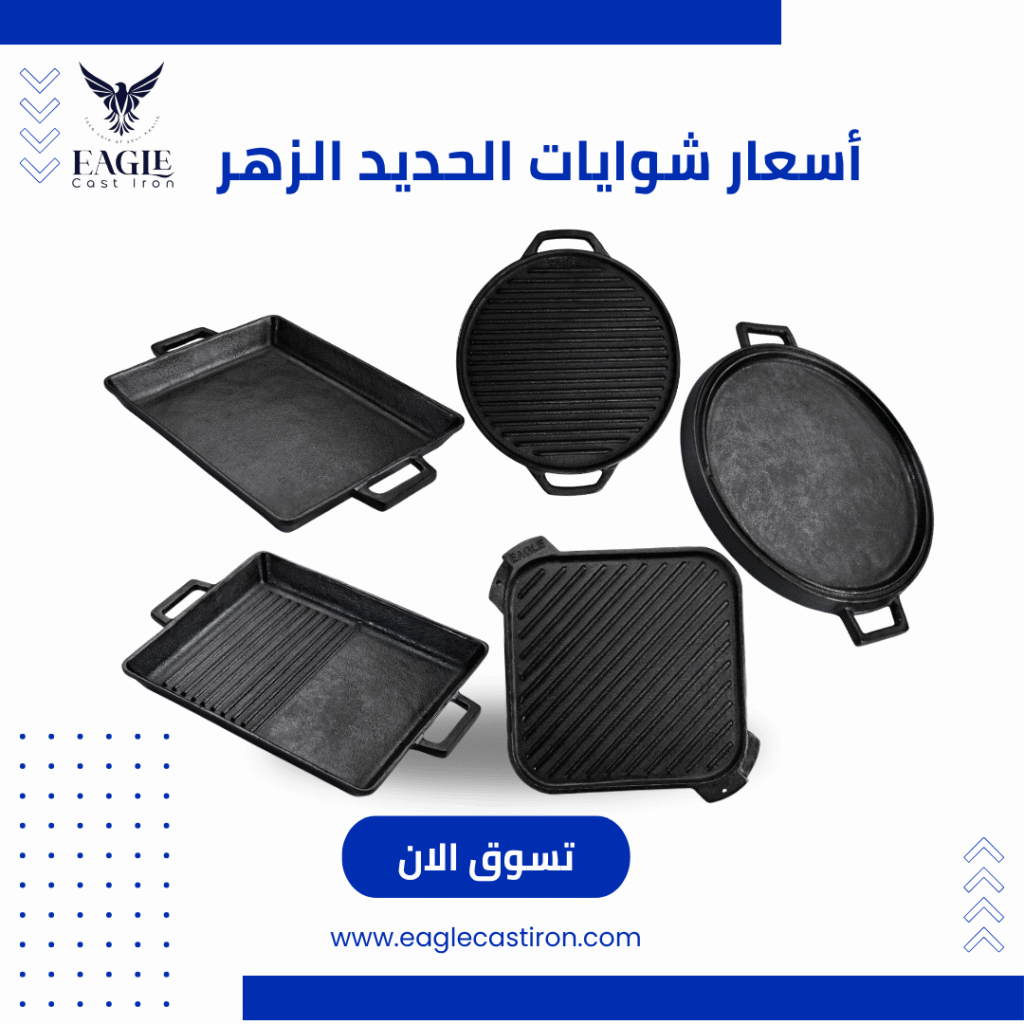
The shape of a frying pan can affect the available cooking area and how you arrange food while cooking. Different designs can serve different needs, so the right choice depends on the type of meals you usually prepare and the space available in your kitchen.
Round Cast Iron Pan
A round cast iron pan is a practical choice for everyday cooking. Its circular surface works well for frying, sautéing, searing, and preparing different types of meals.
Round models are also available in several sizes, making it easier to choose a diameter that matches your cooking needs.
Square Cast Iron Pan
A square cast iron pan provides a different cooking area and can be useful when you want additional surface space in a compact design.
The straight sides can also make it easier to arrange certain foods across the cooking surface.
Rectangular Cast Iron Pan
A rectangular cast iron pan provides an elongated cooking area and can be useful when you need more length for arranging food.
The shape can be practical for preparing multiple portions when the available cooking space is wider than it is deep.
Which Shape Should You Choose?
For general everyday cooking, a round pan offers a familiar and versatile cooking surface. A square or rectangular design may be preferable when the shape of the cooking area is more important for the way you arrange your food.
When comparing different models, consider the actual cooking surface, overall dimensions, and available stovetop space rather than choosing based on shape alone.
What Can You Cook in a Cast Iron Skillet?

A cast iron skillet can be used for many everyday recipes. Its flat cooking surface makes it suitable for cooking methods that require direct contact between the food and the cookware.
Frying
A skillet can be used for frying different ingredients and meals. The appropriate size depends on how much food you normally prepare.
Smaller cookware can be convenient for individual portions, while larger models provide more space for bigger meals.
Searing
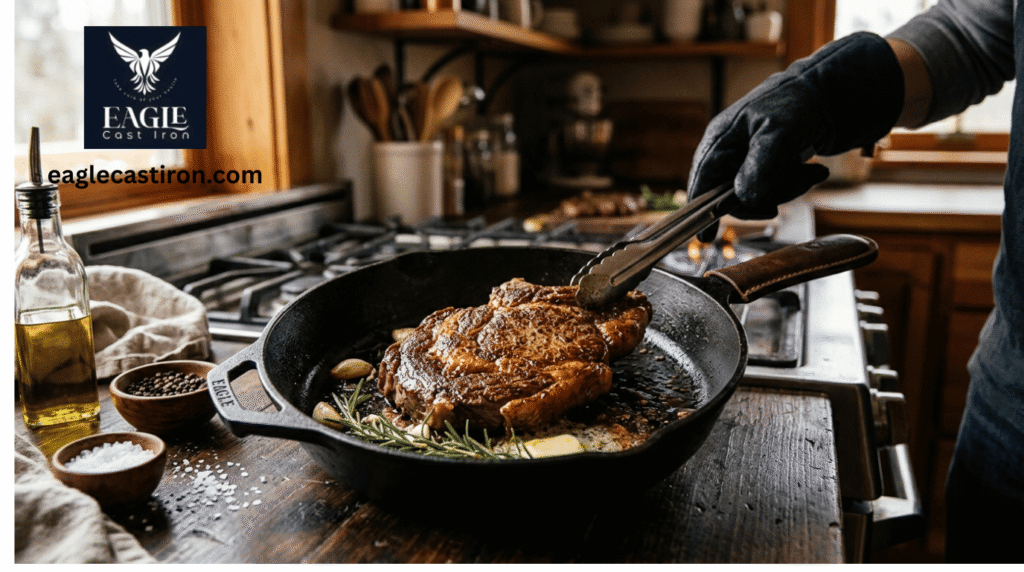
Cast iron is commonly used for searing because it can retain heat during cooking. A suitable skillet can be used to sear meat and other ingredients when you want to develop a browned exterior.
Sautéing
The flat cooking surface is also suitable for sautéing vegetables, meat, and other ingredients. Choosing a size with enough room helps you move the food around without unnecessarily overcrowding the cooking surface.
Browning and Everyday Cooking
A skillet can also be used for browning ingredients and preparing everyday meals. Its versatility makes it useful when you want one piece of cookware that can handle several common cooking tasks.

How to Choose the Right Cast Iron Frying Pan
Choosing the right model is mainly about matching the cookware to your cooking habits. Instead of focusing only on the appearance or size, consider how you will actually use it in your kitchen.
Choose the Right Size
Start with the amount of food you normally prepare.
A compact model can work well for individual portions, while a medium-sized frying pan can provide a balance between cooking space and ease of handling. Larger models are more suitable when you regularly prepare bigger portions.
Consider Your Cooking Space
The pan should fit comfortably on your stovetop without taking up unnecessary space.
Check the diameter of the model and compare it with the size of your cooking surface before purchasing.
Consider the Weight
Cast iron cookware is naturally heavier than many other frying pan materials. As the size increases, the cookware can also become heavier.
If you plan to use the pan frequently, choose a size that gives you enough cooking space while remaining comfortable for you to handle.
Consider How Much Food You Prepare
Your normal portion size is one of the simplest ways to decide which model is right for you.
If you mainly cook for yourself, a compact skillet may be enough. For everyday family cooking, a medium-sized option can provide more practical space. Larger households may benefit from a wider cooking surface.
Check the Product Specifications
Before buying, check the individual product page for the exact dimensions, weight, and available specifications.
Comparing these details makes it easier to choose cookware that fits your cooking setup and everyday needs.
Cast Iron Pan vs Cast Iron Skillet
The terms cast iron pan and cast iron skillet are often used to describe similar cookware.
A skillet is generally a type of pan with a flat cooking surface, raised sides, and a handle. The term pan is broader and can refer to different styles of cooking cookware.
For shoppers looking for a versatile option for frying, sautéing, searing, and browning, the important factors are the actual size, dimensions, cooking surface, and specifications of the product.
Is a Cast Iron Skillet a Type of Pan?
Yes. A cast iron skillet can be considered a type of cast iron pan.
When comparing products, focus less on the terminology and more on the size and design that match the way you cook.
Shop Cast Iron Skillets
Eagle Cast Iron offers a range of cast iron skillets in different sizes, allowing you to choose a compact model for individual portions or a larger option for everyday family cooking.
10 cm Skillet
A compact option for individual portions and smaller cooking needs.
12 cm Skillet
A small-size option when you need slightly more cooking space while keeping a compact design.
15 cm Skillet
A practical size for individual meals and smaller portions.
20 cm Skillet
A medium option that provides more room for everyday cooking.
25 cm Skillet
A larger cooking surface for bigger portions and regular family meals.
30 cm Skillet
The largest available size, providing additional cooking space for larger meals and portions.
Explore the Cast Iron Skillet Collection
Cast Iron Pan FAQs
What Is a Cast Iron Pan Used For?
A cast iron frying pan can be used for frying, sautéing, searing, browning, and preparing a variety of everyday meals. The size you choose depends on the amount of food you usually prepare.
What Size Frying Pan Should I Buy?
Choose the size according to your usual portions. Smaller models can be suitable for individual meals, while medium and larger skillets provide more cooking space for everyday and family meals.
What Is the Difference Between a Cast Iron Pan and a Skillet?
A cast iron skillet is a type of pan. The term pan is broader, while skillet generally refers to a flat cooking pan with raised sides and a handle.
Is a Cast Iron Skillet Good for Everyday Cooking?
Yes. A skillet can be used for several everyday cooking methods, including frying, sautéing, searing, and browning. Choosing an appropriate size makes it more practical for regular use.
What Size Cast Iron Skillet Is Suitable for Individual Meals?
Smaller models such as 10, 12, and 15 cm can be suitable for individual portions and smaller meals, depending on the amount of food being prepared.
What Size Skillet Is Suitable for Family Meals?
Larger models provide more cooking space for bigger portions. The 25 and 30 cm options can be considered when you regularly prepare larger meals or need more room for ingredients.
How Do I Choose a Cast Iron Frying Pan?
Consider the size, cooking capacity, weight, available stovetop space, and your usual cooking needs. Checking the specifications of each model can help you compare the available options before buying.
Where Can I Buy a Cast Iron Skillet?
You can browse the Eagle Cast Iron skillet collection, compare the available sizes and specifications, and choose the model that best matches your cooking needs.
Find the Right Cast Iron Skillet for Your Kitchen
Choosing the right cookware comes down to finding a size that matches your portions, cooking habits, and available kitchen space. From compact 10 cm models to the larger 30 cm skillet, different sizes give you flexibility when preparing individual meals or larger servings.
Explore the Eagle Cast Iron skillet collection and choose the size that fits the way you cook.